Obesity

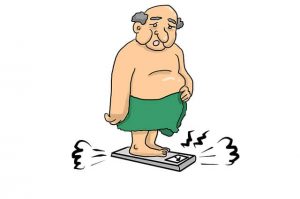
Get a tape, throw the machine

The last few decades has seen outstanding advancements in modern medicine in arresting & finding cures for many incurable maladies. But a cure for obesity has so far remained elusive. World over, doctors are increasingly worried about obesity. Recognized, since 1985, as a chronic disease, obesity is the second leading cause of preventable death, exceeded only by cigarette smoking. During the past 20 years, obesity among adults has increased significantly. 20% of the adult population consumes more than 80% of the visible dietary fat. Even by very conservative standards more than 5% of the adult population is overweight. The percentage of young people who are overweight has more than tripled since 1980. 30% of children and teens, from higher income groups are overweight.

Other than being aesthetically insensitive, the most important reason for being careful about this malady is its associated risk of heart disease. Cardiologists world over realize now is that excess weight over the middle – the proverbial apple, versus pear- increases the risk even more.

A man’s body is typically more “apple” shaped.
He tends to collect fat around his waist and
stomach area (beer belly). By contrast,
Women’s bodies are more “pear” shaped
as they tend to collect fat on their hips,
buttocks and thighs. People with “apple” body
shapes are more prone to develop diabetes
and heart disease than those with “pear” body shapes

Being obese or overweight increases the risk of many diseases & health conditions such as:

  • High blood pressure
  • High cholesterol
  • Diabetes
  • Heart Disease
  • Stroke
  • Gallbladder disease
  • Osteo-arthritis
  • Sleep apnoea (Snoring) & Respiratory problems
  • Cancers (Endometrial, Breast & Colon)
  • Polycystic ovarian disease, irregular periods & Infertility

Section 7. Stress, is hormone the answer?

Some of the high-risk groups prone to stress related problems include professionals in the fields of Software, Pharma, Banking & Financial Services. Individuals suffering from STRESS may fail to perform on personal as well as professional front. Young professionals continue to suffer from ’stress’ and related health complications like Physical Level: Erectile Dysfunction, Sleeplessness, Acidity, Insomnia, Emotional Level: Depression, Lack of confidence, Low self-esteem, Irritability. Eventually, we have youngsters who are depressed / dejected running away from challenges. This has been causing lot of anxiety even to the top-line management who want their team to be energetic, confident and aggressive. Health Check-ups commonly available address basic components of health such as Haemoglobin, Sugar, ECG and X-Ray. They are usually ‘normal’ giving no hint of actual problem.

Significance of test parameters:

Hormones Role / Benefit / Effects
Cortisol Sleep, Blood Pressure, Glucose metabolism
Testosterone Sleep, Blood Pressure, Glucose metabolism
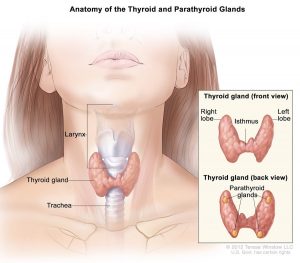
TSH/Thyroid hormones Controls secretion of thyroid hormones (t3 and t4) which play a vital role in entire metabolic activity and emotions.
FSH / LH Helps in ovulation in females and spermato-genesis (production of proper quantum and types of sperms) in males.Also controls secretion of sex hormones like testosterone, progesterone, estrogens from testis in males & ovaries in females.
DHEAS Is a precursor to the production of testosterone, progesterone and estrogens – imbalance in which can show-up odd characters / characteristics of opposite sex such as – Hair growth, muscle development, aggression in femalesBreast / flabbiness / soft-voice, feminine behavior, sensitivity in males.Strongly correlates with libido in women.
E2 Oestradiol Female maturity, fertility, bone metabolism (supply / recycling of calcium to bones, which gets affected during menopause)

Section 8. Metabolic Syndrome

Fat in tummy what we call as abdominal obesity has something different than rest of our body fat, in terms of metabolism. This fat is abnormal in the sense of metabolism and leads to a complicated metabolic situation called METABOLIC SYNDROME. This essentially is comprised of type 2 Diabetes, high BP, high cholesterol, increase chance of having heart problem and stroke, etc.

Although fat is fat, all are not the same, the metabolism differs. Two main types of fat, one is called white and the other is brown. Brown fat was initially given by nature to store energy what we know is important during hibernation of some animals like frog in the winter time. This fat is mainly the storehouse for energy for the periods of non-availability of food and used to be required hundreds of years back in humans also for winter or rainy season. We have lost most of them because we are clever enough now to know how to keep the food supply constants for day in and out, only some has been left in the tummy. In some adverse situation like physical inactivity, stress, eating more than we need (don’t we love to eat!) and certainly genetic predisposition. We, as Indians, for some reason or other are more predisposed to accumulate fat in the tummy and its’ associated problems.

Stress is in a unique position to enhance this abdominal obesity. Stressed out individuals – sleepless nights, no appetite, fears for infertility, and women with period problems add typical stressful situations of the day. Stress has its main effect in one place of the brain called hypothalamus, the highest point for controlling all hormonal changes in the body. Hypothalamus secretes a hormone called CRH (Corticotrophin Releasing Hormone) in stressful situation which is considered to be in the center of stress reaction. The stressful situations would include physical stress like fever, surgery, burn, low sugar, fall of blood pressure as well as acute psychological stress like anxiety or depression. What we are facing in both the developed and developing countries is the change in lifestyle and continued pressure from workplaces because of more and more demand in a shorter timeframe (not to forget the stress of unemployment and frustration). This CRH stimulates the Pituitary gland to release Corticotrophin which then stimulates the Adrenal glands to secrete Cortisol, the stress hormone. This is the main reason, we think today, is responsible to start the ball rolling for accumulation of excess fat in the odd area like the tummy. Other hormone like adrenaline and noradrelanine (together called catecholamine – the fight or flight hormone) also comes from Adrenal glands, Growth Hormone from Pituitary gland along with several tissue products called cytokines have role for abdominal obesity in chronic stressful situation.

Cortisol and Catecholamine causes lipolysis (breaking down of fat) making fat products like free fatty acid available in the blood in excessive amount, which take shelter in less active area of fat store in the tummy. Invariable is to find Insulin resistance in similar situation of abdominal obesity. Insulin is a hormone that comes from Pancreas gland in the tummy and the only hormone in the body to lower blood sugar. Other than its’ effect on sugar metabolism Insulin causes lipogenesis (that is accumulation of fat). We do not know exactly why Insulin chooses tummy for the fat accumulation but probable reason is the proximity of the pancreas to abdominal viscera where the level of Insulin in the portal circulation (the circulation of the abdomen) is higher than other parts of the body. It is not sure whether Insulin resistance is secondary to abdominal obesity or causes it but one thing is clear Insulin resistance takes the centre stage in continuation of abdominal obesity and its’ dreadful allies like Diabetes, BP, heart problem, etc.

Most important however is to realize the consequences of abdominal obesity. The solution has to be manifold. Stress relieve is one important aspect for which understanding the cause of the stress and a clear discussion with an expert is very important. Then starts change of lifestyle that is practical to the particular person in the defined situation. We obviously need to check time and again BP, blood sugar, blood cholesterol, etc and take necessity action.

Menopause

Life after change, For her!

Normal hormone cycle

The regular menstrual cycle attained at the time of puberty is an indication of activation of the biological clock and maturation of the Hypothalamus and Pituitary gland in women. This is the beginning of feminity, natures’ desire for continuation of the human generations. With advancement of the medical science, not only we can suppress conception, we can also induce conception in women with infertility.

The change

Biological clock not only decides about the beginning, it is also programmed for the end of the regular menstrual cycle. The usual time is around 45 years, in some women periods can continue up to 50 years. This is a very important time for women as this is responsible for various physical and psychological changes. Everybody’s sensitivity is not the same, while some women pass this phase silently; others become symptomatic and can present themselves to various medical specialities with different complaints. Usual symptoms are irritability, mood swing, hot flush, sweating, sleep disturbance, loss of appetite, loss or gain in weight, loss of libido, etc. Some women complain of feeling tired, looking aged, excessive skin creases and lack of memory. These symptoms are because of loss of ovarian oestrogen, so called female hormone.

What is Hormone Replacement Therapy (HRT) and what are the benefits?

Replacing a deficient hormone is called HRT. In that way giving somebody thyroid hormone when his or her thyroid is deficient is also HRT but replacing oestrogen in postmenopausal women is referred as HRT commonly. It can be given by tablet or skin patch.

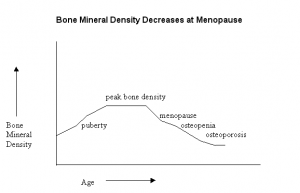
Oestrogen hormone is protective for heart and bone. The chance of heart attack in women after menopause is almost as common as in men. Lack of oestrogen after menopause also makes women vulnerable for developing brittle bone disease, called osteoporosis. In osteoporosis the chance of developing fractures increases in proportion to how brittle the bones are. HRT is helpful both for heart and bones. Also it helps to get rid of the menopausal symptoms such as hot flushes, excessive sweating, mood swing, etc. The best benefit of HRT, I believe, is the feel-good factor, feeling of womenhood.

Does HRT increase the risk of breast cancer?

This is a very very important issue. The opinion is really divided as some studies showed no difference in HRT users and non-users. Even it increase the risk of breast cancer the margin is very small. This should not be reason for not using HRT. We keep on going to roads even if there is a chance of accident, don’t we? We need to know things and that is what is important. A regular check up (clinical and mammography) is good enough to pick up early problem.

What are the precautions to be taken?

Two most important reasons for not recommending HRT are family history of breast cancer and history of thromboembolic diseases (clot in the legs called deep venous thrombosis or clot in the lungs called pulmonary embolism). The tests we recommend before starting are cervical smear (to pick up early cervical cancer) and mammography (special X-ray of the breast). Obviously a good discussion with the prospective recipient of HRT is a must in each and every case.

How long to continue?

Now a days preparations are available with which you need not go through the harassment of regular periods. Skin patches have been developed to avoid gulping tablets daily, like the tablets you need to change the patch everyday once after bath. The dose requirement is not the same for everybody and also a periodic check up is very much advisable.

Whom do you see for this?

Most women present themselves to Gynaecologists first, which is understandable and acceptable. Commonest speciality visited with osteoporosis is Orthopaedics, usually after a fracture. The most important aspect I believe is getting the right message, advice and treatment. At some point of time I am sure you should see Endocrinologist as this is all about hormones and Endocrinology is the speciality which deals with hormonal disorders.

Need for follow up

In the beginning little bit swelling feet can be there and you may gain a couple of pound weight, which over the time disappear. A local reaction to the skin patch is known in some women. How long to continue is a very important question. Obviously, the length will also depend on how good you feel and how well you tolerate the HRT. It is better to raise this issue on follow up rather than fixing a time frame. Remember follow up is a must if you are on HRT, it may be even every six months. Your dose requirement might need to be changed.

This article is prepared by Dr A Bhattacharyya
(Arpan@DiabetesEndocrinology.in)

Stress and Hormone

Stress, is hormone the answer?

Some of the high-risk groups prone to stress related problems include professionals in the fields of Software, Pharma, Banking & Financial Services. Individuals suffering from STRESS may fail to perform on personal as well as professional front. Young professionals continue to suffer from ’stress’ and related health complications like

Physical Level: Erectile Dysfunction, Sleeplessness, Acidity, Insomnia, Emotional Level: Depression, Lack of confidence, Low self-esteem, Irritability.

Eventually, we have youngsters who are depressed / dejected running away from challenges. This has been causing lot of anxiety even to the top-line management who want their team to be energetic, confident and aggressive. Health Check-ups commonly available address basic components of health such as Haemoglobin, Sugar, ECG and X-Ray. They are usually ‘normal’ giving no hint of actual problem.

Significance of test parameters:

Hormones Role / Benefit / Effects
Cortisol Sleep, Blood Pressure, Glucose metabolism
Testosterone At physical level – Male maturity, libido, sexual desire, fertility, sperm count
At emotional level – Confidence, Aggression, Courage etc.
TSH/Thyroid hormones Controls secretion of thyroid hormones (t3 and t4) which play a vital role in entire metabolic activity and emotions.
FSH / LH Helps in ovulation in females and spermato-genesis (production of proper quantum and types of sperms) in males.
Also controls secretion of sex hormones like testosterone, progesterone, estrogens from testis in males & ovaries in females.
DHEAS Is a precursor to the production of testosterone, progesterone and estrogens – imbalance in which can show-up odd characters / characteristics of opposite sex such as –
Hair growth, muscle development, aggression in females
Breast / flabbiness / soft-voice, feminine behavior, sensitivity in males.
Strongly correlates with libido in women.
E2 – Oestradiol Female maturity, fertility, bone metabolism (supply / recycling of calcium to bones, which gets affected during menopause)
This article is prepared by Dr A Bhattacharyya
(Arpan@DiabetesEndocrinology.in)

Regional Obesity

Regional obesity: Pear better than Apple!

What is regional obesity?

The traditional definition of obesity includes a measure of height/weight and defined as Body Mass Index (BMI). Now with the advancement of science we are realising regional obesity is much more important for health. Here we measure the girth of waist and hip and express that as ratio called WAIST-HIP RATIO (WHR). For men normal is less than 0.85 and for women it is less than 0.90. What we describe as apple – middle protrusion of the tummy, so called pot-belly. In that sense a shape like a pear would be considered healthy.

What is the relation with general obesity?

In most of the cases it does not go hand in hand. You may have a normal BMI but your WHR may not be. So normal height-weight ratio or maintaining an ideal body weight is not always reassuring.

How does it happen? The fat in the abdomen are resistant to the action of Insulin, more so in comparison to the other part of the body. With an excess of abdominal fat Insulin resistance develops which increases Insulin resistance further and the cycle continues. This Insulin resistance is the main reason of adverse health outcome with regional obesity.

What are the health consequences of regional obesity?

Regional obesity is associated with a cluster of metabolic problems such as Diabetes, high blood pressure, high cholesterol, atherosclerosis which all lead to problems with the heart (heart attack) and brain (stroke). Medically we called this Syndrome X. The other concern is back pain, because of the pot-belly the forward curvature of the lumbar spine increases and is one of the risk of disc propblem and wear and tear leading to the spondylitis.

What is the correlation with the western world?

Obesity is increasing all over the western world and in the cities in India. We do not have much of a population-based study in India, so it is difficult to comment about the Indian scenario. Limited number of studies available to us suggest clearly that in comparison to the west our BMI is less but the WHR is high making us more prone to SYNDROME X.

What is the treatment?

First and most important step is to make us aware that abdominal obesity is bad not only for cosmetic reason but also for health. Change of life style with so-called “modernisation” of our society (less physical work, more and more fast food intake with high fat and refined carbohydrate) has the burden of blame to share. We are using the term “Therapeutic Life Style (TLC)” changing as the most important measure. We need to eat the correct food, which obviously means to avoid high fat and calorie fast food as much as possible. More importantly realising what is healthy eating, like eating plenty of vegetables and optimum fruits on daily basis. We need to undertake some form of physical exercise every day for at least 30-45 min. Also we need to keep an eye on our BMI, WHR, blood pressure, cholesterol, etc on a regular basis.

This article is prepared by Dr A Bhattacharyya
(Arpan@DiabetesEndocrinology.in)

Stress and Metabolic Syndrome

Fat in tummy what we call as abdominal obesity has something different than rest of our body fat, in terms of metabolism. This fat is abnormal in the sense of metabolism and leads to a complicated metabolic situation called METABOLIC SYNDROME. This essentially is comprised of type 2 Diabetes, high BP, high cholesterol, increase chance of having heart problem and stroke.

Although fat is fat, all are not the same, the metabolism differs. Two main types of fat, one is called white and the other is brown. Brown fat was initially given by nature to store energy what we know is important during hibernation of some animals like frog in the winter time. This fat is mainly the storehouse for energy for the periods of non-availability of food and used to be required hundreds of years back in humans also for winter or rainy season. We have lost most of them because we are clever enough now to know how to keep the food supply constants for day out and in, only some has been left in the tummy. In some adverse situation like physical inactivity, stress, eating more than we need (don’t we love to eat!) and certainly genetic predisposition. We, as Indians, for some reason or other are more predisposed to accumulate fat in the tummy and its’ associated problems.

Stress is in a unique position to enhance this abdominal obesity. Stressed out individuals – sleepless nights, no appetite, fears for infertility, and women with period problems add typical stressful situations of the day. Stress has its main effect in one place of the brain called hypothalamus, the highest point for controlling all hormonal changes in the body. Hypothalamus secretes a hormone called CRH (Corticotrophin Releasing Hormone) in stressful situation which is considered to be in the center of stress reaction. The stressful situations would include physical stress like fever, surgery, burn, low sugar, fall of blood pressure as well as acute psychological stress like anxiety or depression. What we are facing in both the developed and developing countries is the change in lifestyle and continued pressure from workplaces because of more and more demand in a shorter timeframe (not to forget the stress of unemployment and frustration). This CRH stimulates the Pituitary gland to release Corticotrophin which then stimulates the Adrenal glands to secrete Cortisol, the stress hormone. This is the main reason, we think today, is responsible to start the ball rolling for accumulation of excess fat in the odd area like the tummy. Other hormone like adrenaline and noradrelanine (together called catecholamine – the fight or flight hormone) also comes from Adrenal glands, Growth Hormone from Pituitary gland along with several tissue products called cytokines have role for abdominal obesity in chronic stressful situation.

Cortisol and Catecholamine causes lipolysis (breaking down of fat) making fat products like free fatty acid available in the blood in excessive amount, which take shelter in less active area of fat store in the tummy. Invariable is to find Insulin resistance in similar situation of abdominal obesity. Insulin is a hormone that comes from Pancreas gland in the tummy and the only hormone in the body to lower blood sugar. Other than its’ effect on sugar metabolism Insulin causes lipogenesis (that is accumulation of fat). We do not know exactly why Insulin chooses tummy for the fat accumulation but probable reason is the proximity of the pancreas to abdominal viscera where the level of Insulin in the portal circulation (the circulation of the abdomen) is higher than other parts of the body. It is not sure whether Insulin resistance is secondary to abdominal obesity or causes it but one thing is clear Insulin resistance takes the center stage in continuation of abdominal obesity and its’ dreadful allies like Diabetes, BP, heart problem, etc. Not only this, to make the situation worse, all these interact with each other to perpetuate the whole cascade.

Most important however is to realize the consequences of abdominal obesity. The solution has to be manifold. Stress relieve is one important aspect for which understanding the cause of the stress and a clear discussion with an expert is very important. Then starts change of lifestyle that is practical to the particular person in the defined situation. We obviously need to check time and again BP, blood sugar, blood cholesterol, etc and take necessity action.

This article is prepared by Dr A Bhattacharyya
(Arpan@DiabetesEndocrinology.in)

Polycystic Ovarian Disease

What is polycystic ovary?

Polycystic ovary (PCO) also called as Stein-Leventhal syndrome is a vast spectrum of disease affecting a women’s health ranging from menstrual irregularities, acne, excess facial & body hair (hirsuitism), weight gain and problems regarding fertility along with cysts in the ovaries.

How common is PCO?

It is found in 10-20% of women of childbearing age. Almost 75% of women with irregular menses and/or infertility may have polycystic ovaries, as determined with both radiological and biochemical criteria. Polycystic ovaries have been found with sonography in more than 50% of women with regular menstrual cycles as well; however, most of the women had some degree of hirsuitism, acne, or male-pattern baldness.

What is the cause for PCO?

The exact cause for PCO is not known, although patients with PCO invariably have a mother, sister or aunt with a similar problem. It is also more common in girls born of consanguineous parentage. The exact genetic relationship is not known.

What exactly happens in PCOS?

To know this, we need to understand the normal ovarian anatomy. The ovaries are two small organs situated on either side of the uterus. The normal ovarian volume (length 3-5 cm, 1.5-3 cm in width, and 0.5-1.5 cm in thickness X 0.523) is around 10ml. Ovaries have follicles, which are cysts filled with liquid that hold the eggs. Each month about 20 eggs start to mature, but usually only one becomes dominant. As one egg grows, the follicle accumulates fluid in it. When that egg matures, the follicle breaks open to release the egg so it can travel through the fallopian tube for fertilization. When the single egg leaves the follicle, ovulation takes place.

In women with PCO, the ovary doesn’t make all of the hormones it needs for any of the eggs to fully mature. They may start to grow and accumulate fluid, but no follicle becomes fully mature. Since no egg matures or is released, ovulation does not occur and the hormone progesterone is not made. Without progesterone, menstrual cycle is irregular or absent. Also, the cysts produce male hormones, which continue to prevent ovulation.

The other issue that needs attention is that many women with PCOS are overweight, hence there seems to be a relationship between PCOS and insulin, which these people seem to be producing in excess. The ovaries also seem to be producing excess amounts of circulating androgens.

Which age group is more commonly affected?

Women in their 20-30 seem to be more commonly affected, although it can affect any women of childbearing age group.

What are the common symptoms of PCOS?

These can be grouped into three different categories:

  1. Menstrual irregularities – This is the most common feature where patients come in with irregular cycles/ scanty periods (70%).
  2. Features of androgen excess – 60% of women have hirsuitism, 25% also suffer from acne/ male pattern baldness.
  3. Obesity & insulin resistance – 35% have features of obesity & insulin resistance. Clinical features of Insulin resistance is mainly limited to the black skin mark in the neck called Acanthosis Nigricans.
  4. Infertility due to anovulation is found in 30% of women.

The condition sometimes refers as HAIRAN syndrome (HyperAndrogenism, Insulin Resistance, Acanthosis Nigricans)

What are the categories of PCOS?

  1. Traditional PCOS — anovulatory, increased androgens, no insulin resistance
  2. Endocrine syndrome X — anovulatory, increased androgens, insulin resistance or type 2 diabetes
  3. Non-traditional PCOS — anovulatory, normal androgens, obese, insulin resistant or type 2 diabetes
  4. Non-traditional PCOS — ovulatory, increased androgens, mild insulin resistance
  5. Idiopathic hirsutism — ovulatory, increased androgens, no insulin resistance

What are the necessary investigations?

  1. Laboratory investigations
    1. Blood sample for
      1. Serum Testosterone concentration (May be normal or raised, levels do not reflect the degree of hirsuitism)
      2. FSH/ LH ratio reversal
      3. SHBG – decreased owing to high insulin state with a consequent increase in circulating androgens
  2. Pelvic ultrasound for
    1. Ovarian volume (> 10cc)
    2. Presence of follicular cysts (>8 cysts <10mm)
    3. Endometrial hyperplasia (>10mm)
  3. Other investigations
    1. 17(OH)P to rule out LOCAH when serum testosterone levels are very high
    2. Short synacthen test to see for an exaggerated response to 17(OH)P in cases where required
    3. MRI to see for androgen producing tumors in cases where serum testosterone levels are very high
    4. Blood glucose levels as upto 40% of women can have impaired glucose tolerance and 10% have frank Diabetes mellitus
    5. Serum lipids

What are the treatment options available?

  1. Weight loss
    This will reduce insulin resistance and thus hyperandrogenism. With loss of 5% body weight, they show a 40% improvement in hirsuitism.
  2. Insulin sensitizers
    METFORMIN – Though this drug is mainly used in the treatment of Type 2 Diabetes Mellitus, it does not reduce the blood sugar in people with normal blood sugar levels. It improves insulin sensitivity with a corresponding reduction in circulating androgens, decreases LH levels and increases Sex hormone binding globulin levels, thereby regulating menstruation improving ovulatory function and thereby inducing fertility. No long-term studies are available to see the effect of metformin on hirsuitism.

    It is usually started in 500mg/day and gradually increased to a maximum of 1.5 gm/day. A word of caution about the gastrointestinal side effects of metformin.

  3. HIRSUITISM
    Drug treatment for hirsuitism should be combined with local measures. Drug treatment can alter only new hair growth and does not have an effect on established hair. It takes 4-6 months for improvement to be visible and can recur once medications are stopped. Adequate contraception is mandatory as the drugs used can be teratogenic.

    Drugs available

    1. Oral contraceptive pills (OCP) – Regularises menstrual cycles and has best results on hirsuitism when combined with antiandrogens. The OCP containing cyproterone actetate (2mg) is preferred. These are available in packs of 21/ 28 (Containing active ingredient for 21 days and placebo for the remaining 7 days). They are to be taken cyclically. Menstrual cycles will regularize with medication. Washout period of 3-4 months required before conception.
    2. Spiranolactone – Has weak anti-androgen properties. Dose of 50 – 200mg/day can be used. Can cause intermenstrual bleeding. This can be avoided when used with OCP.
    3. Flutamide – Potent anti-androgen. Dose of 125mg/day.
    4. Finasteride- As effective as cyproterone. Adequate contraception is mandatory and a compulsory washout period of 3 months after drug cessation is necessary before conception.
  4. Infertility
    Weight reduction is a must as obesity adversely affects fertility outcome. Ovulation induction regimens are indicated with drugs like Clomiphene citrate or Gonadotrophin preparations. Laproscopic ovarian diathermy is also used for restoring ovulation.

    Studies have shown that Metformin should be continued till 12 weeks after conception in women with PCOS as it helps in continuing the pregnancy.

What is the prognosis for PCOS?

Cysts are benign and they do not cause much problem even if they stay back. Probably women with PCO are at increased for developing Type 2 Diabetes mellitus and Dyslipidemia in future.

This article is prepared by Dr Menaka Ramprasad
(menaka1974@yahoo.com) and Dr A Bhattacharyya
(Arpan@DiabetesEndocrinology.in)

Excess Facial Hair

Unwanted hair in the face!

What is hirsutism?

Excess unwanted hair in women and girls in face or other parts of the body is called hirsutism. There is no fixed amount of hair that is needed for diagnosis; it is the sensitivity of the individual. If you think you are not happy with the facial or body hair, then it is excess and is called hirsutism.

Why does it happen?

This is mainly because of problem in the balance of Androgen and Oestrogen, which are hormones. Hormones are chemical substances secreted by special glands in the body and taken to different areas by blood for their actions. Both men and women will have androgen (male hormone) and oestrogen(female hormone); in men androgen is high while the opposite is the case of women. For some reason or the other if this balance gets disturbed in women in favour of androgen, excess facial hair can develop. Also some women are more sensitive to androgen, so you may have excess hair with a normal androgen level in the blood.

Where from the androgen comes?

Androgen is a natural steroid hormone in the body and is synthesized in two organs, i.e., Adrenal glands and gonads (ovaries in women and testes in men). No other organ in the body can produce this. So if you have high level of androgen in the blood you must have some problem, whatever it is, with your adrenals or ovaries.

What are the other features?

Excess androgen can cause a few symptoms in women. Other than excess facial hair it can cause weight gain, irregular period, excessive spots in the face and in extreme cases it can affect ovulation (fertility). A very high level (usually from androgen secreting tumour of the ovary or adrenal gland) can produce a low-pitched voice (normally voice is high pitched in women and low pitched in men).

Was it my mistake that I have excess hair?

Certainly not, you have not done anything wrong. Commonest cause of excess androgen in our clinical practice is small cysts in the ovaries called Polycystic Ovary, where walls of the cysts secrete excess androgen. There are different theories for developing cysts in the ovaries, there is a genetic component but nothing that you have done. Regular exercise and not getting overweight helps if you already have cysts in the ovaries. Other causes are milder forms of adrenal glands defects, adrenal and ovarian tumours secreting androgen.

What investigations are needed?

After the clinical evaluation, we need to do simple tests first to see where the abnormalities are. Remember hormonal tests are costly, so should be done with proper care. Hormonal values depend not only on the time of the day but also time of the cycle. A random sample not only can be wastage of money but also may not give us the information we want. A scan of the ovaries is helpful to see cysts. Adrenal glands are not seen well by ultrasound scan as they lie at the back of the tummy. So, when we want to see the adrenal gland, we prefer doing a CT scan. What treatments are available?

Excess hair: We have different antiandrogen preparations available, most of the time we combine them with oestrogen. They take time to work, miracles are not possible. Most people find good improvement. You can combine local treatment like threading, plucking, laser etc with our treatment; in this way response is more visible.

Irregular periods: cyclical combination of oestrogen and antiandrogen is good for regularising periods. Loosing weight is also helpful to get regular periods back.

Weight gain: This needs particular attention, it is often very easy to give a lecture about loosing weight but practically most of the time it is very difficult. We are using now some tablets for loosing weight, mainly in younger people. Also we use a tablet called Metformin for correcting the hormonal imbalance. This tablet is also used for Diabetes, but the beauty of the tablet is that it helps high sugar to come down to normal but it does not lower normal sugar to low sugar. So this is safe even when your blood sugar is normal.

Problem with conception: This can be there in some cases, but we now have a lot of medicines available for helping ovulation. Also people without cysts in the ovaries can have problems with conception.

Should I remove my hair?

Yes you can, when you want. You are the most important person to decide when to remove your excess hair. There are several ways to remove them, like waxing, threading, shaving, laser treatment etc. This is a common belief that shaving makes hair grow sooner, there is no scientific proof or evidence for this. Actually in severe cases we do recommend shaving. The best person to discuss the method of removing excess hair is your Dermatologist.

What are the long-term consequences?

It depends on the diagnosis. As you will know, by now, Polycystic Ovaries (PCO) is the commonest cause. Recently we know from various medical researches that the chance of diabetes is more if you have PCO. Studies are not done actually with a huge number of patients yet, so we do not see any reason for you get panicky.

Can my baby get this?

Very rarely, there is a chance that members of some families are more sensitive to androgens. In one of the conditions that can give rise to excess hair, i.e., Congenital Adrenal Hyperplasia (CAH), there is a genetic link, particularly if there is a consanguineous marriage.

Whom should I see for this problem?

People with this problem usually see a Gynaecologists first when periods are irregular and Dermatologist when facial hair is the main problem. Who you see is less important, correct information and explanation you should get. At some point I would suggest to see Endocrinologist to find out hormonal disturbance if any. In case it is there, hormonal treatment along with local treatment for excess facial hair works best.

This article is prepared by Dr A Bhattacharyya
(Arpan@DiabetesEndocrinology.in)

Measuring Obesity

Measuring obesity

We have always looked at the weighing scale as a measure of obesity. Other popular indices include BMI – the Body Mass Index, Waist to hip ratio, Waist circumference, skin fold thickness etc.

The sad reality is that most of us still measure obesity by scale alone and a scant few even know the tape does matter.

A recent study conducted in over 262 centers in 52 countries amongst 27000 patients all over the world clearly indicates that amongst various measures commonly used to measure obesity, waist to hip ratio shows a clear relation with the risk of heart attack. This ratio was the strongest predictor of heart attack in men & women across all ages and ethnic groups, in smokers and non smokers and in those with or without high cholesterol, diabetes or high BP. By contrast, the relation of BMI to heart attack was less consistent. Thus, the global burden of obesity has been substantially underestimated by the reliance on BMI in the previous studies.

Women with a waist measurement of more than 35 inches or men with a waist measurement of more than 40 inches may have a higher disease risk than people with smaller waist measurements because of where their fat lies.

fat

To measure the waist circumference, place a tape measure around the bare abdomen just above the hip bone. Be sure that the tape is snug, but does not compress the skin, and is parallel to the floor. Relax, breath out, and measure the waist.

Table 1. Healthy vs. Unhealthy Weight – Using BMI and Waist Circumference

Healthy Weight Overweight
BMI BMI 19-24.9 BMI Over 25
Percent Body Fat Women 15-25% Over 27%
Men 10-20% Over 20%
Waist Circumference Women Varies 35 inch
Men Varies 40 inch
Sources Include information from National Heart, Lung, and Blood Institute, and American Dietetics Association.

Risk reduction

What action should be taken to prevent this global epidemic? What remedies need to be done to prevent our chubby cute children from becoming sick adults?
With a cure remaining elusive, appropriate counseling is urgently warranted.

  • Diet and nutrition, including reduced calorie diets,
  • Safe and effective exercises, individually tailored to obese individual,
  • Behavior modification and lifestyle changes, to include discussions of proper eating habits, dealing with stress-related eating, family meal planning changes, healthful snacking, etc.
  • Prescription appetite suppressants, if indicated, as an adjunct to a comprehensive medical weight loss program and other medications

It is high time we take stock of our shape and plan our lifestyle. Throw that weighing scale and get the tape, measure your waist and your risk.

This article has been prepared along with Dr Menaka R (rambhag123@yahoo.com), fellow Endocrinilogist.